Effect of Mist (aerosols in general) on Solar Radiation
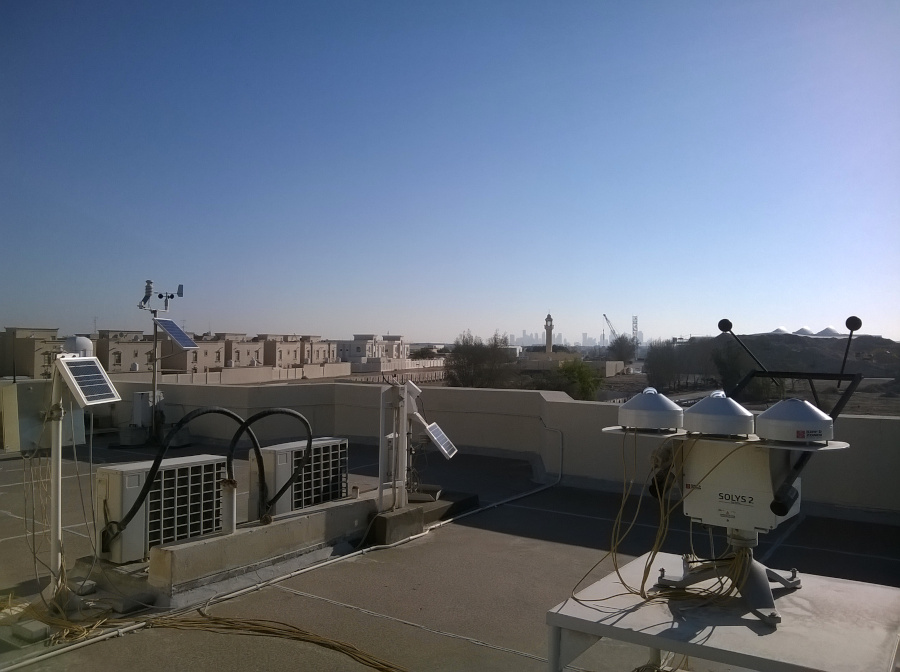
Daniel Perez Astudillo May 15, 2026Although Qatar is thought of as an all-year sunny place, some clouds can be seen through the year, more commonly in winter, with some misty and foggy early mornings, and sporadic rain. Figures 1 and 2 show extreme cases in two relatively close mornings, the 19th and 28th of January, 2015, from a QEERI site in Education City looking towards the east (Diplomatic Area in West Bay).
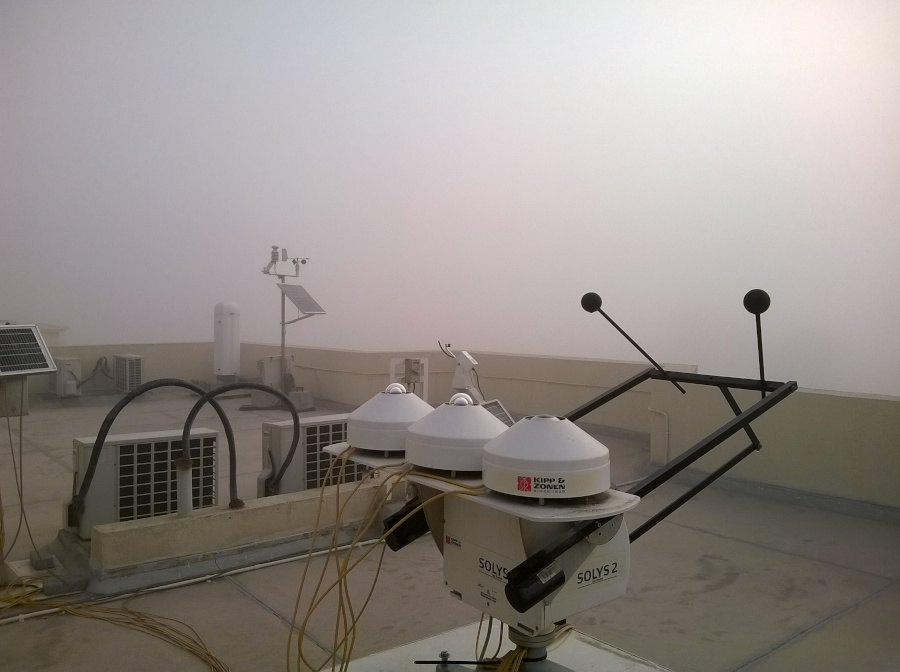
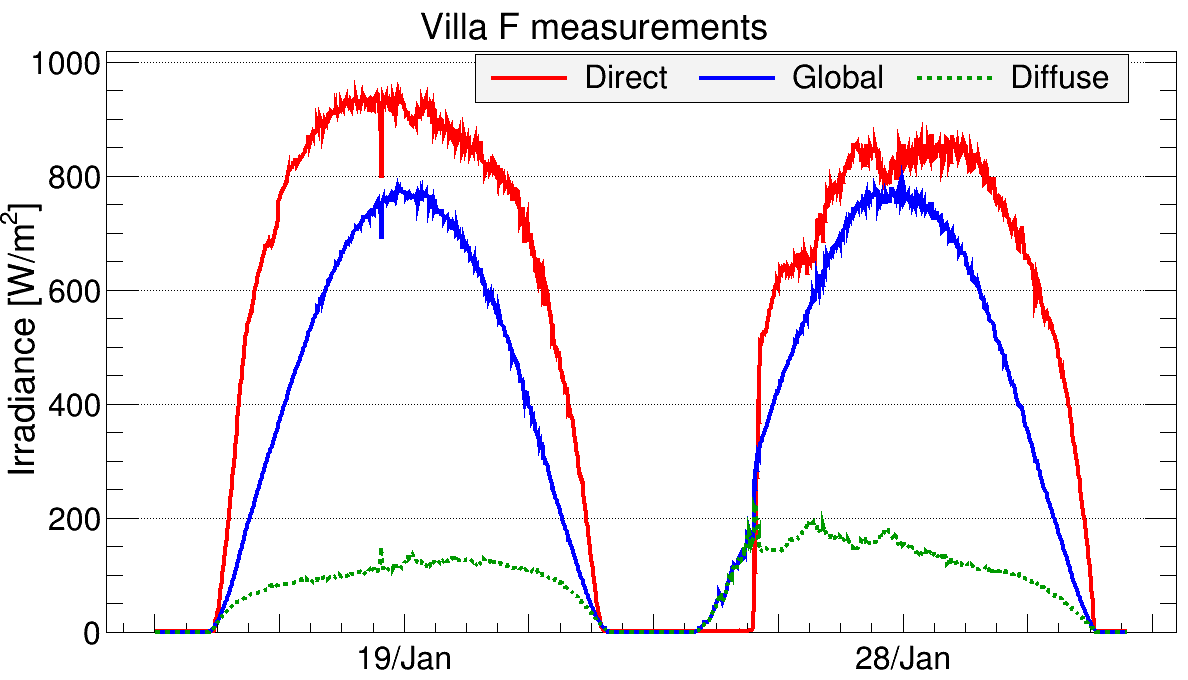
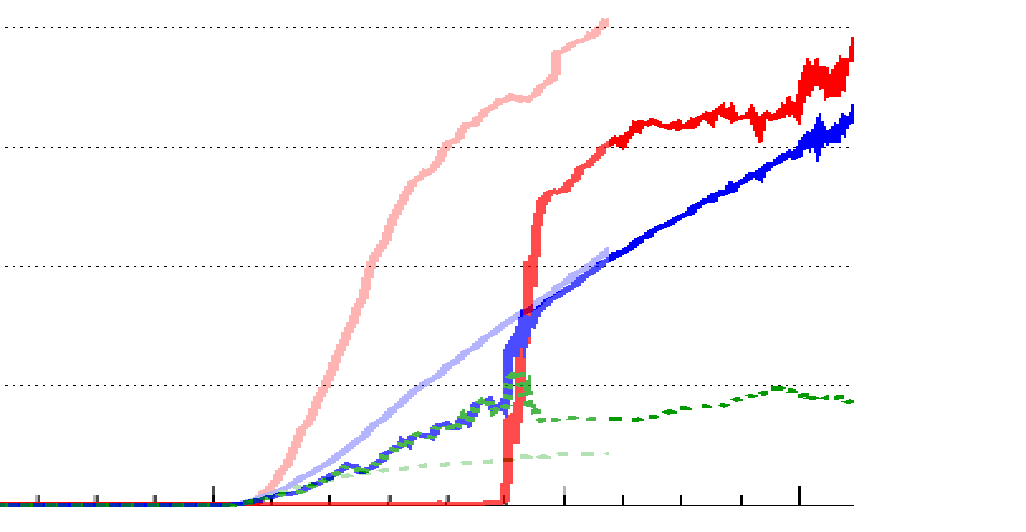
The solar radiation measurements at 1?minute temporal resolution, taken with the Kipp and Zonen station visible in figures 1 and 2 and corresponding to those days, are shown in figure 3, from 5 am to 6 pm, local time. Figure 4 is a detail of the early hours; the profiles of 19/Jan are faded and superposed on the profiles of 28/Jan. The effect of the heavy fog is clearly noticeable: the direct component (in red) dropped to zero and the diffuse component (green) increased, with the global (total, in blue) radiation also being reduced. Aerosols like dust or sand have similar effect on solar radiation, reducing direct sunlight and increasing atmospheric diffusion and absorption of light.